1-990x500
Background of the Research:
Today, chronic diseases like obesity, diabetes, cancer, high blood pressure, and heart disease are on the rise. This is often linked to modern lifestyles and unhealthy eating habits. At the same time, more people are becoming interested in foods and supplements that offer health benefits. These products often contain natural substances called bioactive compounds that can help improve nutrition and overall health.
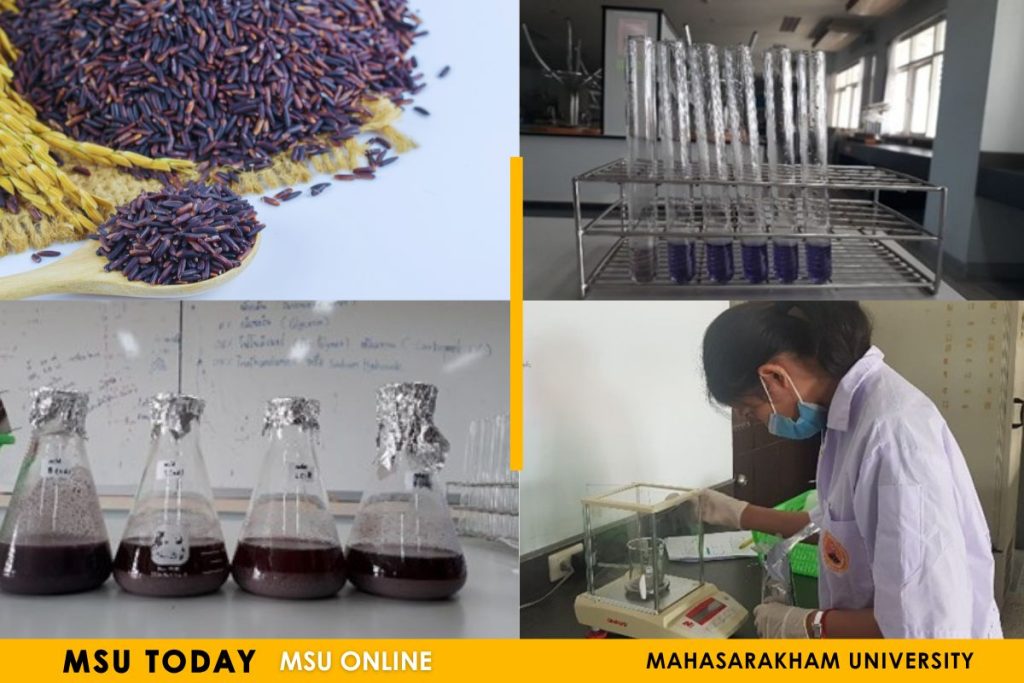
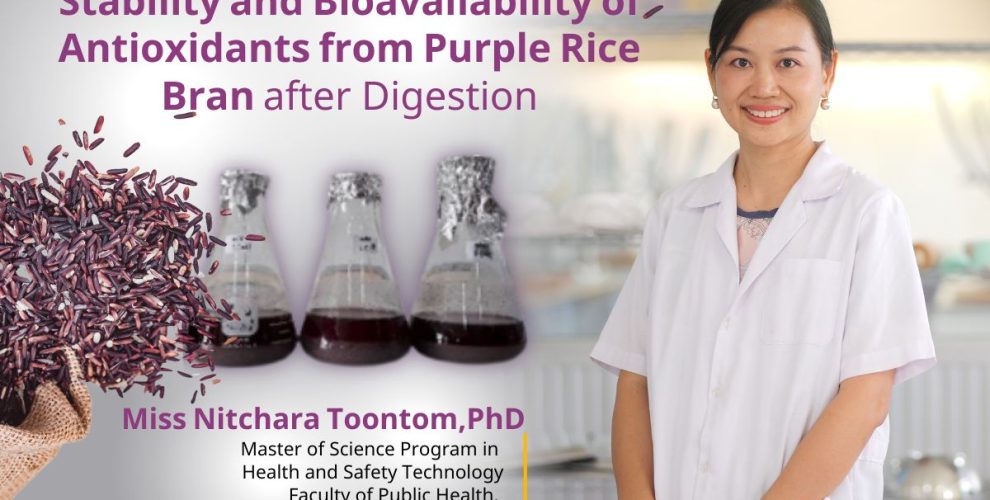
One food that has caught the attention of researchers is purple rice. This type of rice, especially the Thai varieties Hom Nin and Riceberry, is rich in a natural pigment called anthocyanin, which gives it its purple color. These types of rice are also high in antioxidants, especially phenolic compounds, which are mostly found in the outer layer of the grain called the bran.
Purple rice is not only nutritious but also becoming more popular in global markets due to its health benefits. In Thailand, rice bran (the outer layer of the grain) is often used as animal feed and is inexpensive. However, purple rice bran contains many valuable natural compounds, such as anthocyanins, phenolic acids, and flavonoids, all known for their powerful antioxidant effects.
Despite their benefits, these natural compounds are sensitive to things like light, heat, oxygen, and acidity. They are also not very stable in the human digestive system. This means that the amount of antioxidants in the food doesn’t always match the amount the body can actually absorb and use.
Research has shown that during digestion, these compounds can change, which might affect how well they work or how much of them the body can absorb. This study aims to better understand how these changes happen and how to make the most of the health benefits in purple rice.
The objective of this research
is to study the effects of simulated digestion on two types of purple rice bran — Hom Nin and Riceberry — focusing on the stability and bioaccessibility (the ability to be absorbed and used by the body) of antioxidants, phenolic acids, flavonoids, and anthocyanins during the digestive process.
Key Strength of the Research
The key strength of this research is the discovery of challenges in developing food products and applying them in nutrition. Specifically, it highlights the difficulty in preserving the biological properties of phenolic compounds and other bioactive substances during the digestion process.
What Makes This Study on the Bioactivity of Hom Nin Rice Bran Special?
The uniqueness of this study lies in the use of the INFOGEST protocol, an internationally recognized method developed by a global network of researchers for simulating human digestion in the laboratory. This method ensures consistency and comparability across studies worldwide.
It allows researchers to closely mimic the conditions of the human digestive system , including pH, temperature, digestive enzymes (like pepsin and pancreatin), bile, and digestion time, in each stage: oral, gastric, and intestinal. By doing so, it helps reduce variability between experiments and provides a clear picture of how nutrients and bioactive compounds change during each phase of digestion.
Is this research currently being applied? If so, how?
We have already applied research on black rice bran (Hom Nin) in various products, including those related to beauty, agriculture, and food preservation. These applications help increase the value of black rice bran and bring commercial and community benefits.
How do you think we can bring this research to the community and develop it further?
Bringing research on purple rice bran to the community can be done through education and product development that matches market demands. This approach not only adds value to purple rice bran but also helps generate income and promote long-term sustainability for the community.
Key steps include:
- Community education and training: Teach people about the benefits of purple rice bran, including its valuable compounds and how to use it in various products.
- Product development: Train the community to make prototype products like drinks made from rice bran or dietary supplements.
- Processing techniques: Research ways to process rice bran that help preserve its important bioactive compounds.
- Branding and storytelling: Use the unique story of purple rice, such as its special varieties and local wisdom, as a selling point.
- Market connection: Link products to specific niche markets, such as health-conscious consumers, the elderly, or people interested in natural products.
Examples of products suitable for community development: Rice bran beverages, Nutritional supplements and Natural skincare products
Message to New Researchers
For new researchers starting their journey or wanting to create positive social and community impact, I encourage you to see the true value of research that addresses real social needs. Choose research topics that solve actual problems or help improve people’s quality of life, such as developing products from local raw materials, conserving natural resources, or creating health innovations.
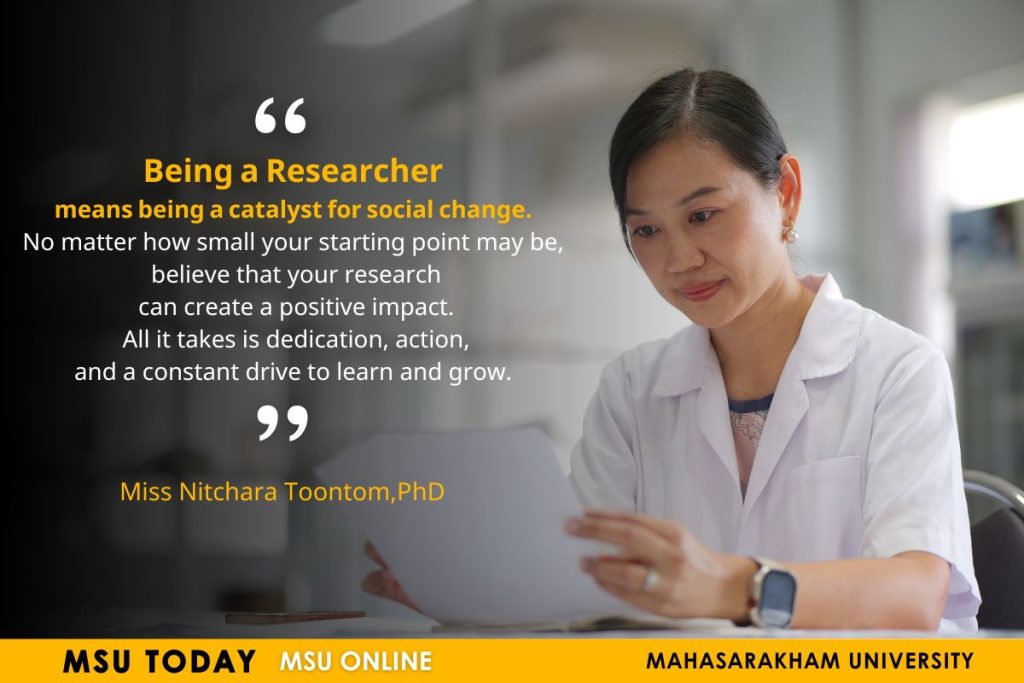
Always keep in mind the ultimate goal of your research such as how it can be applied in real life, rather than just being published in journals. Strive to create meaningful value for communities and the economy. Never stop learning, whether it’s gaining new academic knowledge or exploring emerging technologies. Stay open to interdisciplinary approaches to better understand your research within a broader context. Build strong networks with fellow researchers from different fields, as well as with government agencies, the private sector, and communities. Being a researcher means being a catalyst for change in society. Even if you start small, trust that your dedication, actions, and commitment to continuous learning can lead to a real, positive impact.